Preparing for Wycombe Abbey at 11+: a recent offer
By Pennyfeather Education 23 January 2026
- School
- Wycombe Abbey
- Entry
- 11+ entry
- Result
- Offer
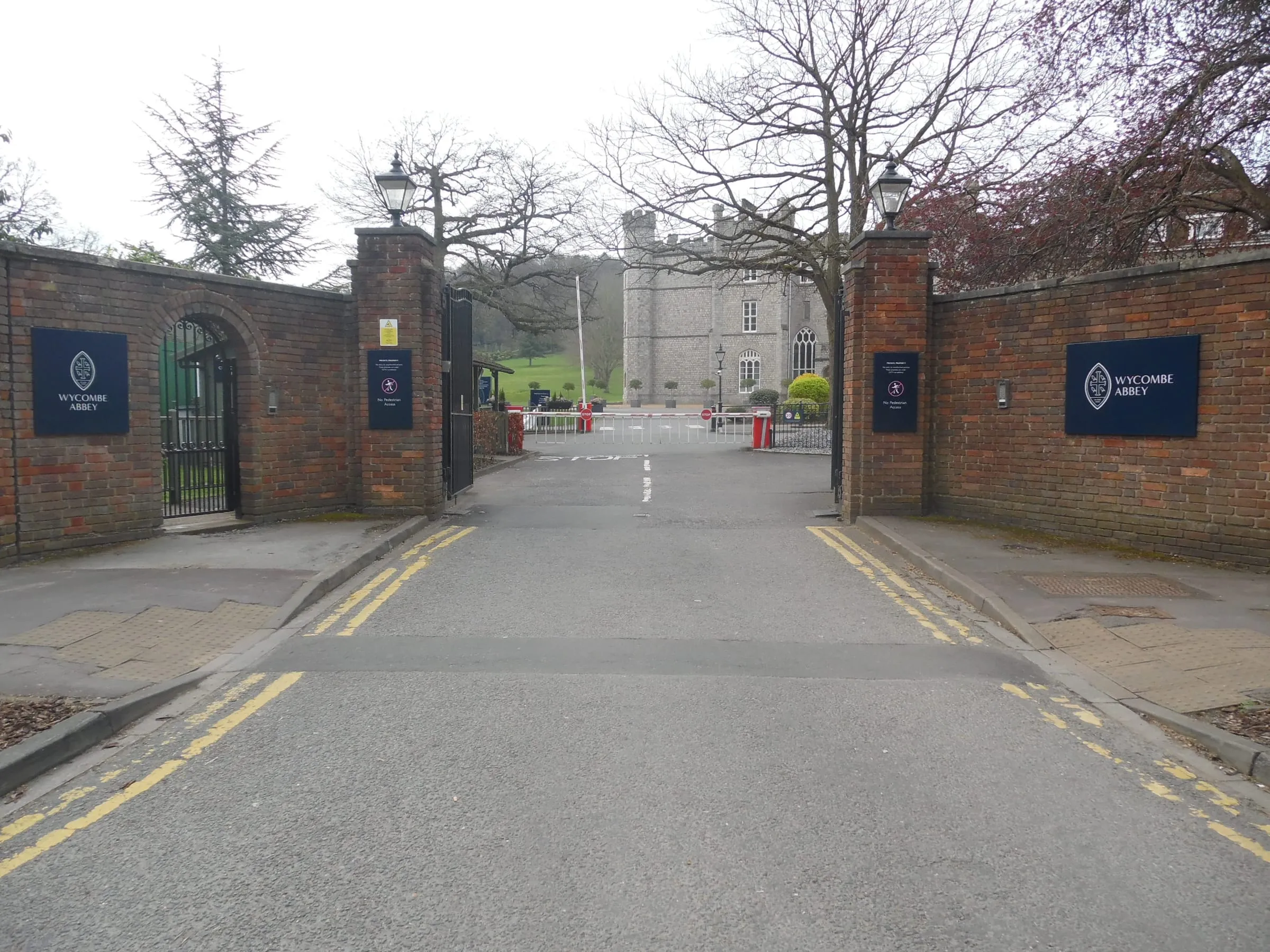
Photo: Entrance to Wycombe Abbey School by David Hillas, CC BY-SA 2.0
Wycombe Abbey is a school with a very particular academic and pastoral character. It is often described in superlatives, but in practice what matters far more is fit: intellectual pace, emotional readiness and a willingness to engage fully with school life. This recent 11+ offer illustrates that balance well.
Penelope came to Pennyfeather Education in the early part of Year 4. She was bright and capable, with a genuine enjoyment of reading and learning, but she was not a child who thrived under pressure for its own sake. Her parents were keen to explore Wycombe Abbey as a possibility, while remaining open-minded about whether it would ultimately be the right environment.
The starting point
Academically, Penelope was working securely for her age. Her comprehension was strong and thoughtful rather than showy, and her written work was careful and well organised, though sometimes cautious. In Maths, she was confident with core methods but could lose fluency when questions became multi-step or time-pressured.
More importantly, she was reflective and self-aware, but inclined to doubt herself when faced with unfamiliar challenge. For a school like Wycombe Abbey, this aspect of confidence is often as significant as raw attainment.
The challenge
Preparation for Wycombe Abbey at 11+ is not simply a matter of accelerating content. Within the entrance exam framework, the written English and Maths papers reward clarity of thought and independence, while the ISEB papers reward the ability to sustain focus under time pressure. Interview performance, too, is closely bound up with how confidently a pupil can articulate ideas and respond thoughtfully to unfamiliar questions.
In Penelope’s case, the challenge was twofold: to strengthen academic fluency under exam conditions, and to help her develop a calmer relationship with challenge itself. Over-preparation or excessive testing would almost certainly have been counterproductive.
The preparation
Our work focused on three main strands.
First, we prioritised depth over breadth. In English, this meant sustained work on comprehension and grammar questions in line with ISEB-style tasks, with particular attention to clarity, structure and spelling. In Maths, we focused on reasoning and explanation, especially where written papers required holding several steps in mind rather than relying on speed alone.
Second, we worked deliberately on pace and independence. Practice with written papers was carefully paced, allowing Penelope to build confidence in working through more demanding questions without constant reassurance. The aim was not simply to complete papers, but to develop steadiness and self-trust under timed conditions.
Finally, we incorporated interview preparation in a low-pressure, conversational way. Rather than rehearsing stock answers, we spent time discussing books she had enjoyed, ideas she found interesting and how to explain her thinking clearly. This helped her become more comfortable speaking about her interests and responding thoughtfully, without feeling scrutinised.
The outcome
Penelope was offered a place at Wycombe Abbey at 11+.
The offer reflected not a sudden leap in attainment, but a steady alignment between her academic profile, her growing confidence in written work and her ability to express herself calmly in discussion. By the time of assessment, she was able to work with assurance, recover from uncertainty and engage openly with interview questions.
A final reflection
Wycombe Abbey rewards intellectual curiosity, resilience and emotional maturity. This case is a good reminder that successful preparation is rarely about pushing harder or earlier. It is about understanding what a school is truly looking for — in online assessments, written papers, interviews and day-to-day school life — and helping a child grow into that space at the right pace.
For families considering Wycombe Abbey, the question is not simply “Is my daughter bright enough?” but “Is this an environment in which she will thrive?” Thoughtful preparation should help to answer that honestly.
* The pupil’s name and any identifiable details have been changed for safeguarding purposes.
Pennyfeather Education is independent and not affiliated with, endorsed by or sponsored by Wycombe Abbey or any other school.