How to Get a 13+ Offer from Wellington College
By Pennyfeather Education 20 February 2026
- School
- Wellington College
- Entry
- 11+ for 13+ entry
- Result
- Offer
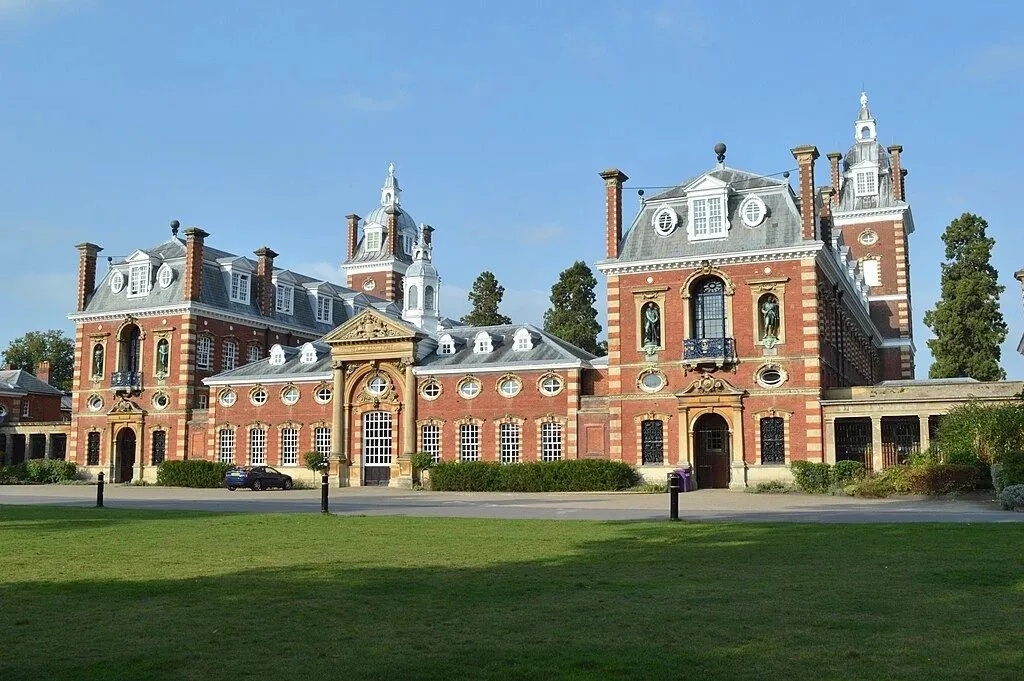
Photo: Wellington College by Lewis Hulbert, CC BY-SA 3.0
A 13+ success story for an international pupil
Securing an offer from Wellington College is a significant achievement, particularly for a pupil moving from overseas with English as a second language. Wellington is academically selective, but more than that, it is a school with a clearly articulated philosophy: that in the right environment, any child can reach their potential.
Oliver’s offer is a strong example of how that philosophy operates in practice.
About Wellington College
Wellington College is one of the UK’s leading co-educational boarding schools, known for combining academic ambition with a deep commitment to pastoral care and character education.
Founded in 1859 as a national memorial to the Duke of Wellington, the school was originally established to educate the sons of army officers who had died in service. It was later opened to the sons of serving officers and, over time, evolved into the modern, outward-looking school it is today. The college was formally opened by Queen Victoria, a reminder of the institution’s long and distinctive place in British educational history.
Today, Wellington College is consistently regarded as one of the top co-educational schools in the UK, attracting pupils from across Britain and from overseas.
Wellington’s ethos: the whole child
Wellington is explicit about what it looks for in pupils. Academic ability matters, but it is considered as part of a wider picture.
The school places strong emphasis on the “whole child”, valuing intellectual curiosity alongside personal qualities and a willingness to engage fully with school life. Its core values — kindness, courage, respect, integrity and responsibility — are not decorative slogans but are actively embedded in daily life.
As the Headmaster has put it, there is a pervading culture of ambition at Wellington, paired with an atmosphere that encourages every pupil to believe in their own potential. This balance is one of the reasons the school is particularly attractive to families looking for a demanding but supportive environment.
An international applicant with English as a second language
Oliver’s profile brought additional complexity to the 13+ application process. Moving from overseas and working in a second language requires schools to look carefully at adaptability, resilience and long-term academic trajectory, not just present attainment.
Wellington’s admissions approach is well suited to this. The school uses the ISEB Common Pre-Test as part of its assessment process, but decisions are never made on test performance alone. Interviews, references and a broader sense of the pupil as a learner and community member play a crucial role.
In Oliver’s case, the focus was on:
- his capacity to think clearly and independently
- his openness to challenge and improvement
- his readiness to immerse himself in a new academic and cultural environment
This holistic assessment allowed Wellington to see beyond the surface challenges of language and recognise genuine potential.
English as a second language at UK boarding schools
At leading UK boarding schools such as Wellington College, English as a second language is not viewed as a deficit, but as a variable that requires intelligent management. Schools are experienced in supporting international pupils through immersion, targeted academic support and careful pastoral oversight, particularly during the first year. What matters most at the admissions stage is evidence that a pupil can engage confidently with complex ideas, respond to feedback and adapt quickly. Oliver’s offer reflects Wellington’s confidence that, within the right environment, linguistic fluency will develop alongside academic ambition — a process the school actively supports rather than passively assumes.
The ISEB Common Pre-Test
Wellington College uses the ISEB Common Pre-Test as a central part of its admissions process. The assessment is designed to evaluate how pupils think, rather than what they have been taught, with papers in English, mathematics, verbal reasoning and non-verbal reasoning.
For international candidates, and particularly for pupils with English as a second language, the ISEB can play an especially important role. It allows schools to assess underlying reasoning ability and academic potential without relying solely on extended written expression or prior exposure to the UK curriculum (though of course the ISEB’s examinable content is rooted in the UK curriculum).
In Oliver’s case, our 11+ for 13+ entry preparation focused heavily on the ISEB. The aim was to build familiarity with the question styles, develop confidence with time pressure, and ensure that language did not obscure ability. This emphasis allowed him to approach the assessment calmly and demonstrate his true academic strengths.
For families interested in learning more about the ISEB Common Pre-Test, you may wish to read our dedicated ISEB blog post: What is the ISEB? Understanding the Common Pre-Tests.
Follow-up assessment day
Following the ISEB, shortlisted candidates are invited to a follow-up assessment day at Wellington. This may include a short, informal interview alongside a series of group activities; or the interview may take place online ahead of the group-activity assessment day.
These elements are not designed to catch pupils out. Instead, they give the school a sense of how a child communicates, collaborates and responds to new situations — qualities that matter in a busy, full-boarding environment. For overseas pupils, they also help the school gauge readiness for transition and engagement with life beyond the classroom.
With the academic groundwork already secured through the ISEB, Oliver was able to approach this day with confidence, engaging naturally and responding thoughtfully. The combination of strong performance in the ISEB and a positive impression at the assessment day ultimately led to his offer.
Why Wellington was the right fit
For international families, Wellington offers a rare combination: high academic standards, strong boarding provision, and a pastoral system that understands the pressures of relocation and transition. The school’s belief that potential can be developed, not merely identified, is especially important for pupils who may take time to fully find their voice in English. In the right setting, linguistic confidence often accelerates rapidly — particularly when ambition is normalised and support is embedded.
Oliver’s offer reflects that confidence from the school: a belief that, given the environment Wellington provides, he will thrive.
Specialist Support
An offer from Wellington College is never just about exam performance. It is about alignment — between a pupil’s character, outlook and capacity for growth, and a school culture that actively nurtures those qualities. For Oliver, this was exactly the match Wellington sought to make. He was kind enough to report to his tutor that he would not have been able to perform so well in the 11+ ISEB Common Pre-Test without the specialist support he received from Pennyfeather Education.
If you are navigating a competitive UK independent school application — particularly from overseas, or with English as a second language — thoughtful preparation and experienced guidance can make all the difference. Choosing schools that genuinely assess the whole child is often the key to long-term success. If you would like to discuss your child’s application to Wellington or another of the UK’s leading co-educational schools, you may wish to book a free, 20-minute consultation.
Pennyfeather Education is independent and not affiliated with, endorsed by or sponsored by Wellington College or any other school.