Securing a Tonbridge 13+ Unconditional Offer: A Case Study
By Pennyfeather Education 20 March 2025
- School
- Tonbridge School
- Entry
- 11+ for 13+ entry
- Result
- Unconditional offer
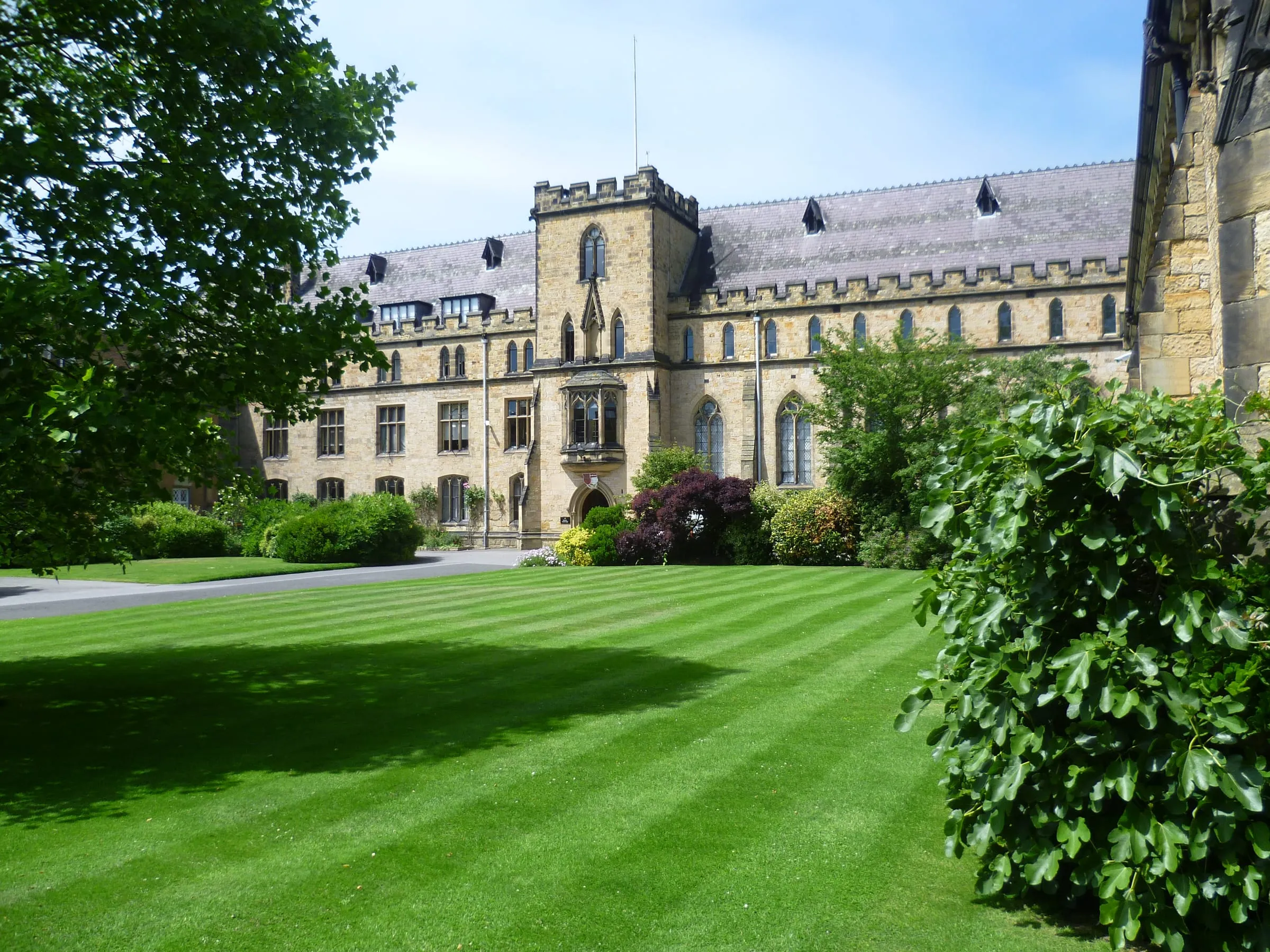
Photo: Tonbridge School by Marathon, CC BY-SA 2.0
Tonbridge School is one of the most competitive boys’ schools in the country, and gaining a place requires far more than short-term exam preparation. For families who know early that Tonbridge is the goal, success usually depends on long-range planning, technical accuracy and a clear understanding of how the admissions process unfolds.
For our student, Davy*, the journey to Tonbridge School began well before the formal assessment stages. With Davy attending a highly competitive prep school in Berkshire, from an early stage his parents were clear that Tonbridge School was their preferred destination. With that clarity came the decision to seek expert support early enough to prepare properly — not reactively.
Why is Tonbridge School so competitive?
Founded in the mid-sixteenth century, Tonbridge has evolved from a small local school into one of the country’s leading academic institutions. Today, it educates just over 800 boys across a large campus in Kent, combining a strong academic culture with a broad cocurricular and sporting programme.
What makes Tonbridge particularly competitive is not just its exam results, but the consistency of its expectations. The school looks for boys who are academically secure, intellectually curious and able to thrive in a demanding environment over the long term. As a result, the admissions process is designed to test potential as much as polish.
This has important implications for preparation.
When should preparation for Tonbridge School begin?
In Davy’s case, preparation began in Year 4. This did not mean intensive exam drilling, but rather a structured and relaxed programme designed to build the skills that Tonbridge School values highly: accuracy, independence, resilience and clarity of thought.
By Year 5, Davy’s work became more explicitly aligned with the Tonbridge admissions pathway. A visit to the school that year proved motivational, giving him a clear sense of what he was working towards and reinforcing his commitment to the process.
Early preparation meant that by the time formal assessments came into view, he was developing rather than scrambling.
How important is the ISEB Pre-Test for Tonbridge?
The ISEB Common Pre-Test is a critical early stage for Tonbridge applicants. Boys typically sit it in Year 6, and the results form an important part of the school’s initial decision-making.
Over the course of Year 5 and the start of Year 6, Davy followed a rigorous but carefully paced programme that strengthened his performance across Maths, English and reasoning. The emphasis throughout was on method, comprehension and calm decision-making under time pressure.
This approach paid off. Davy performed strongly in the ISEB and was awarded a provisional offer, an encouraging but by no means guaranteed outcome.
If you’d like to learn more about the ISEB, you may wish to read our dedicated post: What is the ISEB? Understanding the Common Pre-Tests.
What is a provisional offer from Tonbridge School?
A provisional offer indicates that a boy shows strong potential, but that the school would like to see further evidence before confirming a place. For many families, this stage is the most demanding, as it extends the admissions journey into Year 7.
For Davy, this meant returning to Tonbridge School to sit further Maths and Writing assessments, alongside completing a short interview. These assessments are designed to probe depth of understanding, written clarity and intellectual maturity — areas that cannot be rushed or crammed.
Because Davy’s preparation had been sustained over several years, this second phase felt like a continuation rather than a reset.
Converting a provisional offer from Tonbridge into an unconditional one
Throughout Year 7, Davy refined his mathematical reasoning and written expression, focusing on precision, structure and confidence with unfamiliar material. Interview preparation concentrated on articulating ideas clearly and responding thoughtfully rather than rehearsing answers.
By the time he returned to Tonbridge for the final assessments, he was able to demonstrate not only academic ability, but readiness for the demands of senior school life.
His provisional offer was successfully converted into an unconditional offer. For his parents, this marked the culmination of a carefully managed three-year process — and confirmation that early planning had been the right decision.
What does this tell us about successful Tonbridge preparation?
Davy’s outcome reflects several recurring features we see in successful Tonbridge applications:
- preparation that begins early and develops steadily
- a strong technical, curricular foundation ahead of the ISEB
- clarity about how provisional offers work
- sustained support through Year 7 rather than a pause after the Pre-Test
Tonbridge rewards boys who are academically secure, adaptable and able to think independently. Building that profile takes time.
Preparing for Tonbridge School with Pennyfeather Education
At Pennyfeather Education, we specialise in long-term preparation for the UK’s most competitive senior schools, including Tonbridge School. We support families from the early prep school years through to final assessments, ensuring that each stage of the admissions process is approached with clarity and confidence.
If you are considering Tonbridge for your son and would like to discuss a tailored preparation plan — whether you are at an early exploratory stage or already registered for the ISEB — we would be very happy to help.
Don’t hesitate to get in touch with Pennyfeather Education by booking a free, 20-minute consultation.
* The pupil’s name and any identifiable details have been changed for safeguarding purposes.
Pennyfeather Education is independent and not affiliated with, endorsed by or sponsored by Tonbridge School or any other school.